Is Three Days In Vienna Too Much?
A pacing answer for Vienna: what two days cover, what a third day adds for free, who needs four, and which day trips justify a longer stay.
Is Three Days In Vienna Too Much?
No, three days is not too much for Vienna, and it is arguably the minimum comfortable length. The historic centre is walkable in a day, but the free layers that make the city distinctive, the palace park at Schönbrunn, the first-Sunday museum scheme and the themed walking routes, each need a half day of their own. Two days cover the highlights at a normal pace. The third day is where Vienna stops being a checklist.
That is the honest pacing answer, and it comes with a budget attached, because Vienna rewards travellers who spend little. Twelve free walking tours run in Vienna, listed on GuruWalk and freetour.com, and every one of them costs nothing up front: you reserve a spot, walk, and pay the guide what you think the walk was worth at the end. That single mechanic changes the arithmetic of a three-day stay. On a paid-tour budget, three days of guided sightseeing adds up quickly. Here it adds up to whatever you decide it should.
The question behind the question is usually about pace, not days. Some visitors worry that a third day in Vienna means padding, filler afternoons, repeated squares, a second lap of the Graben. That happens only if you plan the city as a single sightseeing core. Planned as three distinct layers, a core, a green rim and a set of deeper historical and museum themes, three days fills naturally and none of it feels like a rerun. The itineraries on Free Things To Do In Vienna are built around exactly that layering, and this article walks through the same logic step by step. A free walk worth pairing with this: Meet The Locals Walk.
If you want a ready-made structure before reading further, the three day Vienna budget itinerary maps the days hour by hour. The rest of this piece answers the pacing question directly: what two days genuinely cover, what a third day adds, who should stretch to four, and which day trips are worth the train ride.
The strongest argument for the third day is variety. Day one is imperial Vienna, the Hofburg squares, the Stephansdom and the Ringstrasse parks. Day two can go darker and deeper, following the city's Jewish history through Hoher Markt and Judenplatz, or working through museums on a free-admission day. Day three goes green, out to the Schönbrunn park or the Vienna Woods. A two-day trip forces you to cut one of those three moods entirely. If you also want a guide, Jewish Traces, Hitler's Vienna is a free walk to pair with it.
There is also a practical argument that rarely gets stated plainly. Vienna's free layer is unusually deep, but it is also unusually spread out. The centre, the museum quarter, the Schönbrunn park and the canal corridor sit at the corners of a rough rectangle that takes real time to cross on foot. A compressed two-day visit spends a surprising share of its second day in transit between corners. A third day lets each corner get a proper visit instead of a drive-by, and it removes the pressure to rush the free museum hours or the park closing times, which shift with the season.
For most first-time visitors the trio below is the practical core of the stay: a classic highlights walk to anchor day one, a themed history walk for day two or three, and a shorter centre route for a morning when the schedule is already half full. All three are free, pay what you want, and all three are listed on GuruWalk.
What Fits Into Two Days?
Two days cover Vienna's compact historic core comfortably: the Stephansdom, the Hofburg squares and courtyards, the Ringstrasse parks, the Graben and Kärntner Straße, and one palace park or museum afternoon. The centre is small enough that the two days overlap rather than race, so the risk is not running out of time but running out of new ground on the second afternoon.
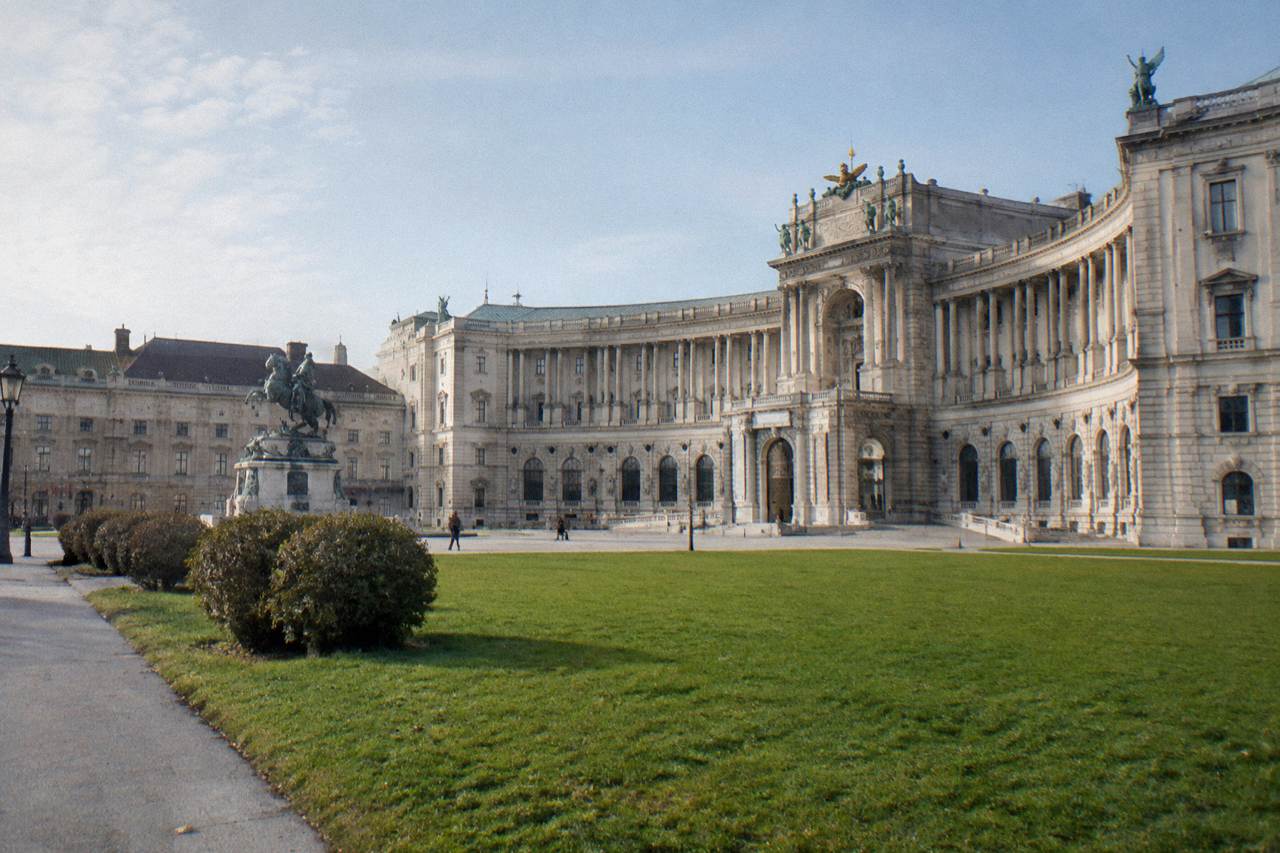
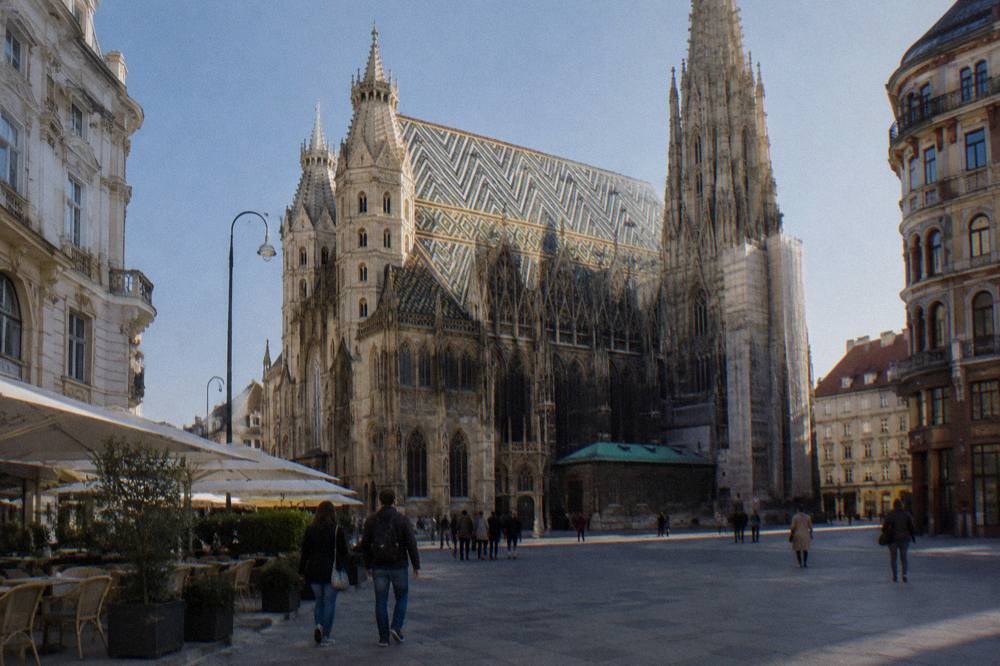
The centre layer is genuinely tight. Entering St. Stephen's Cathedral is free, though the cathedral also sells a paid sightseeing visit of the interior with an audio guide for EUR 8, and the towers and catacombs are separate tickets; the cathedral's own FAQ states that some areas inside can only be seen for a fee, so plan the inside visit deliberately rather than drifting in expecting everything. Around it, the open squares and courtyards of the Hofburg, Heldenplatz, Josefsplatz, Michaelerplatz and the In der Burg courtyard, are public spaces with no ticket at all. The Vienna Tourist Board describes Heldenplatz as a meadow where many Viennese picnic, which tells you how informal the imperial heart of the city actually is. If you also want a guide, Historical Spots Walk, Guide Jan is a free walk to pair with it.
A free walking tour is the cheapest way to bind those pieces into a story on day one. Part 1 Highlights, Redandwhite Tours starts at the Wiener Staatsoper and its listing names the Burggarten, Heldenplatz, Josefsplatz and the Stephansdom among its stops; it is rated 4.73 out of 5 across 6,036 English-language GuruWalk reviews, the largest review pool of any English-capable walk in the city. Good Vienna Tours, Classic Highlights starts at Albertinaplatz and covers even more imperial ground, including the Austrian National Library, Michaelerplatz and the plague column, rated 4.9 out of 5 across 5,854 GuruWalk reviews. Both run about two hours and both operate in English and German. The Part 1 Highlights walk suits a first morning; the Good Vienna Tours walk meets at Albertinaplatz . If you also want a guide, Top Sights, Multilingual Guide is a free walk to pair with it.
For a traveller who prefers a smaller group feel and a single-language walk, 2 Hours 15 Minutes, Guide Mirko is the third option in the trio above. It starts at Minoritenplatz, runs 2 hours and 15 minutes in English only, and is rated 4.94 out of 5 across 3,250 English-language GuruWalk reviews, the highest rating of any walk in the city with a review pool in the thousands. Its listing names the Volksgarten, Heldenplatz, Burggarten and Albertinaplatz, so it covers much of the same imperial ground from a different starting corner. Choosing between the three is a matter of start point and language, not of quality: all three sit in the top tier of the city's free walks by rating.
Here is how a two-day core maps onto the free ground, assuming a normal walking pace and no ticketed interiors:
| Slot | Ground | Free status |
|---|---|---|
| Day 1 morning | Hofburg squares, Michaelerplatz, Heldenplatz | Public spaces, no ticket |
| Day 1 afternoon | Stephansdom area, Graben, Kärntner Straße | Entering the cathedral is free; sightseeing visit is EUR 8 |
| Day 2 morning | Volksgarten, Burggarten, Ringstrasse parks | Public parks, no entry charge |
| Day 2 afternoon | MuseumsQuartier courtyards, Mariahilfer Straße | Courtyards freely accessible; museums ticketed separately |
The overlap problem shows up on day two. By mid-afternoon of the second day, a centre-focused visitor has crossed Heldenplatz three or four times, because almost every walking route in the Innere Stadt funnels through it. That is not a failure of planning; it is a sign the centre is finished. The fix is to give day two a second layer, and the cheapest second layer in the city is the museum scheme.
The Wien Museum's first-Sunday rule is the one to know: on the first Sunday of every month, entry to the permanent and special exhibitions is free at all Wien Museum locations, and under-19s are free at those sites every day. The permanent exhibition at the Karlsplatz main site is free for everyone every day, no ticket needed, so a two-day trip can always include it. The scheme covers only Wien Museum sites, not the federal museums or the Secession, which runs its own free first Wednesday. Details and site-by-site prices are on the Wien Museum visitor information page.
Calendar luck shapes the museum layer. If the trip happens to include a first Sunday, slot the Wien Museum locations into the day two afternoon and keep the free Karlsplatz permanent exhibition as the any-day fallback. If the trip instead includes a first Wednesday, the Secession is the free option, though it sits outside the Wien Museum scheme. For under-19s the arithmetic changes entirely: every Wien Museum site is free every day, so the second layer costs nothing regardless of dates.
The three free tours can also be sequenced rather than chosen. Part 1 Highlights starts at the Wiener Staatsoper, Good Vienna Tours at Albertinaplatz, and Guide Mirko's at Minoritenplatz, so each opens the centre from a different corner. A visitor who takes one walk on each morning covers the imperial ground twice over without paying for a second layer at all.
Two days, then, is enough for Vienna's postcard. What it is not enough for is the city's second mood, the history that sits underneath the postcard, and that is where the third day earns its place.
What Fills A Third Day For Free?
A third day fills with the layers two days cannot reach: the darker historical walks around Hoher Markt and Judenplatz, the free Schönbrunn palace park, the always-free Wien Museum permanent exhibition, and the Donaukanal street art corridor. Each of these sits outside the compact centre loop, and each is either free outright or free on a scheduled day, so the third day costs almost nothing beyond transport and food.
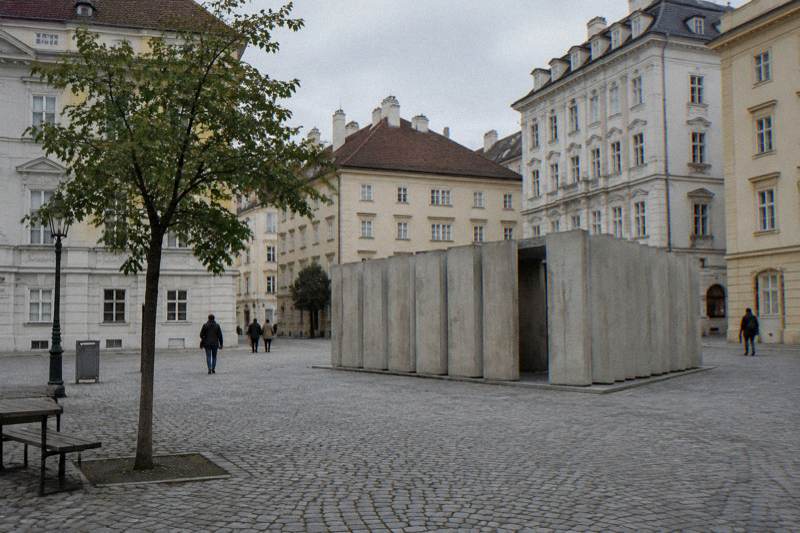
The historical layer is the one most two-day trips skip, and it is the one that changes how the rest of the city reads. Jewish Traces, Hitler's Vienna is a free GuruWalk walk that starts at Hoher Markt and whose listing names Judengasse, Seitenstettengasse, Morzinplatz and the Judenplatz Holocaust Memorial among its stops, finishing at Heldenplatz, the square where the annexation rally the walk's title refers to took place. It is rated 4.88 out of 5 across 2,513 English-language GuruWalk reviews, a large pool by the standards of themed walks. The Judenplatz Holocaust Memorial itself is publicly accessible at no charge, though the Jewish Museum Vienna at the same square is a separate paid visit. For a fuller treatment of the pacing question around this walk, the Jewish Traces walk pairs naturally with a morning in the Innere Stadt and an afternoon across the Ring. A free walk worth pairing with this: Good Vienna Tours, Classic Highlights.
The green layer is the other third-day pillar. The Schönbrunn Palace Park is free to enter during opening hours, with gates opening at 6:30 am, and the park's own operator confirms free entry to the gardens and grounds. Everything inside the park is a separate ticket: the palace, the Gloriette viewing terrace, the Maze, the Privy Garden, the Palm House and Desert House, and the Tiergarten zoo at EUR 29 for an adult day ticket. Seasonally, the park closing time falls to 19:00 in October and 17:30 from November, and the fountains do not operate from mid-October to mid-April, so a winter third day in the park is a short walk rather than a long linger. Current rules are on the Schönbrunn opening times page. The free-park, paid-extras split is covered in depth in the Schönbrunn gardens guide.
The museum layer can also carry a third day, and not only on first Sundays. The Wien Museum permanent exhibition at Karlsplatz is free every day of the month, and musa, the Wien Museum's contemporary art venue, is free as well. If your third day happens to fall on a first Sunday, the scheme widens to every Wien Museum site, from the Römermuseum at Hoher Markt to the Hermesvilla out at the Lainzer Tiergarten. A third day built around the free museum layer costs nothing but the U-Bahn fare between sites.
A third evening is its own small bonus. The Evening Highlights Walk, a freetour.com listing run by Prime Tours, departs at 7 PM in English from Helmut-Zilk-Platz and is rated 8.5 out of 10 across 1,985 freetour.com reviews, on freetour.com's own ten-point scale. Its listing names the Hofburg, the Spanish Riding School and St. Stephen's Cathedral, the same ground as the daytime highlights walks, seen at a different hour. More evening ideas, from the Donaukanal legal walls to the Silvesterpfad stages, are collected in the free things to do in Vienna at night guide. Pair this with a free walk: Evening Highlights Walk.
Who Needs Four Days?
Four days is worth it for two kinds of traveller: anyone visiting on a first Sunday of the month, when the Wien Museum scheme opens a long list of sites at once, and anyone who wants a day in the Vienna Woods or a second themed walk without giving up the museum layer. For a first visit in fair weather with no free-Sunday alignment, four days risks softening the pace without adding a new layer.
The honest test is whether your fourth day has a theme or just has hours. A fourth day with a theme works well: the woods and hills of the Vienna perimeter, a second dark-history walk, or a slow museum day built on the free permanent exhibitions. A fourth day without a theme becomes a second lap of the centre, and by then you have photographed the Stephansdom from every angle that matters.
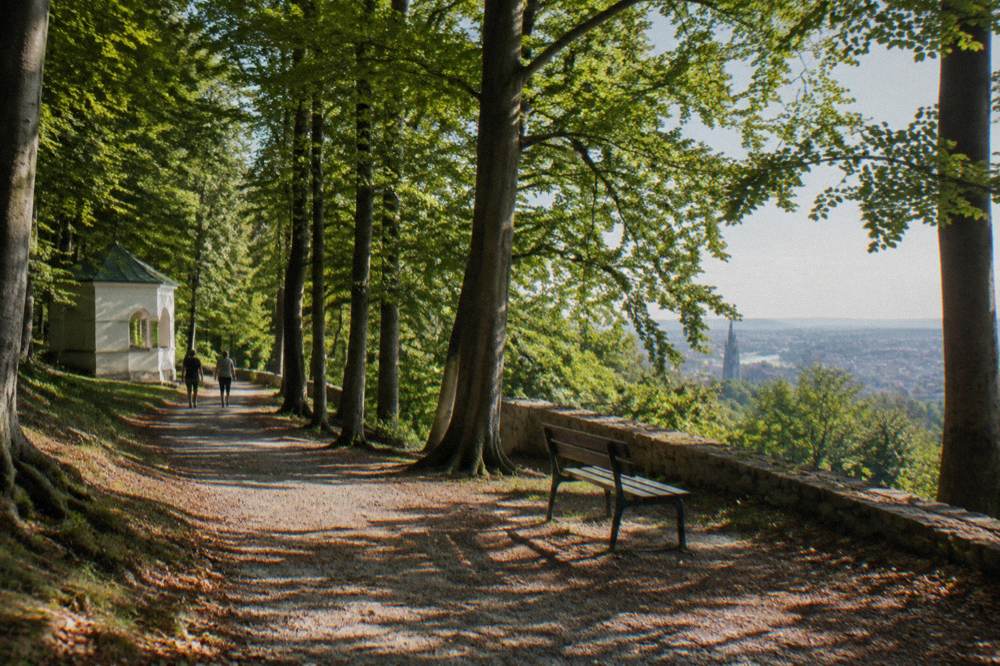
One group with a genuine case for four days is families, and the free things to do in Vienna with kids guide shows why: the Prater green park, the Donauinsel bathing spots and the Ankeruhr's noon parade of figures at Hoher Markt all reward slow, unhurried days rather than a compressed centre sprint. Children do not experience a city in layers the way adults do, and a fourth day absorbs the detours.
If you do take a fourth day, the cheapest way to fill its morning is a second free walk in a different register. Good Vienna Tours, Classic Highlights, rated 4.9 out of 5 across 5,854 GuruWalk reviews, is the classic choice for a traveller who spent the first three days on themed routes and never did the straight highlights circuit. It starts at Albertinaplatz and its listing names the Vienna Operahouse, the Austrian National Library, the Sisi Museum at the Schweizerhof, Michaelerplatz and the Stephansdom. Two hours, English and German, free with tips at the end. If you also want a guide, Part 1 Highlights, Redandwhite Tours is a free walk to pair with it.
Which Day Trips Are Worth It?
From Vienna the worthwhile day trips are the ones the city's own transport reaches cheaply: the Vienna Woods hiking trails and the Donauinsel, both free at the destination. A paid day trip outside Vienna costs most of a day in transit. On a three-day trip, no long-distance day trip is worth it, because the third day is already spoken for.
The City of Vienna maintains 14 signposted hiking routes, the Stadtwanderwege, ranging from 4 to 22.9 km and reachable by public transport, with no fee on the trails. That is the day trip that costs a transit ticket and a picnic. The Donauinsel is a 21 km recreational island run by the city, with free natural bathing spots marked in the city's bathing guide, separate from the paid Strandbäder lidos. The Kahlenberg and the Vienna Woods guide covers the hillside approach in detail, built around the verified trail record rather than any claim about the viewpoints themselves.
The paid long-distance day trips deserve a blunt word. Salzburg is a real train ride away, Budapest likewise, and both are cities that deserve their own nights, not a six-hour round trip squeezed between two Vienna mornings. If the question is whether three days in Vienna is too much, the existence of tempting day trips is not evidence that it is; it is evidence that the Vienna region holds more than three days of material, which is the opposite problem.
For a stay that stretches beyond three days, the practical sequence is: add the woods before you add another city. The green rim is free, close and unlike anything in the centre. A second city is a holiday inside your holiday, and it will eat the fourth day you were going to spend finishing Vienna properly.
Common Questions About Three Days In Vienna
Is Three Days In Vienna Too Much?
No. Two days cover the historic core, and the third day reaches the layers the core cannot: the Schönbrunn park, the themed history walks, the free Wien Museum permanent exhibition and the woods. Three days is the length at which Vienna stops feeling compressed.
Is Two Days In Vienna Enough?
Two days are enough for the Stephansdom, the Hofburg squares, the Ringstrasse parks and one palace park. What two days cannot absorb is the darker historical layer and the museum scheme, so travellers with only two days should pick one depth theme and skip the rest without guilt.
What Is The Best Free Thing To Do On A Third Day?
The Schönbrunn Palace Park is free to enter during opening hours, and the Wien Museum permanent exhibition at Karlsplatz is free every day. A free themed walk such as Jewish Traces, Hitler's Vienna adds a guided historical layer at no fixed cost.
Do I Need A Vienna Pass For Three Days?
No. The free layer in Vienna is unusually deep: twelve free walking tours, free palace parks, free public squares and a free museum day each month. A pass only pays off if your plan is heavy on ticketed interiors, which is a different kind of trip from the one described here.
Should I Take A Day Trip From Vienna?
Not on a three-day stay. The worthwhile free destinations, the Vienna Woods trails and the Donauinsel, sit inside the city's transport network and need half a day, not a whole one. Long-distance trips to Salzburg or Budapest belong to stays of five days or more.