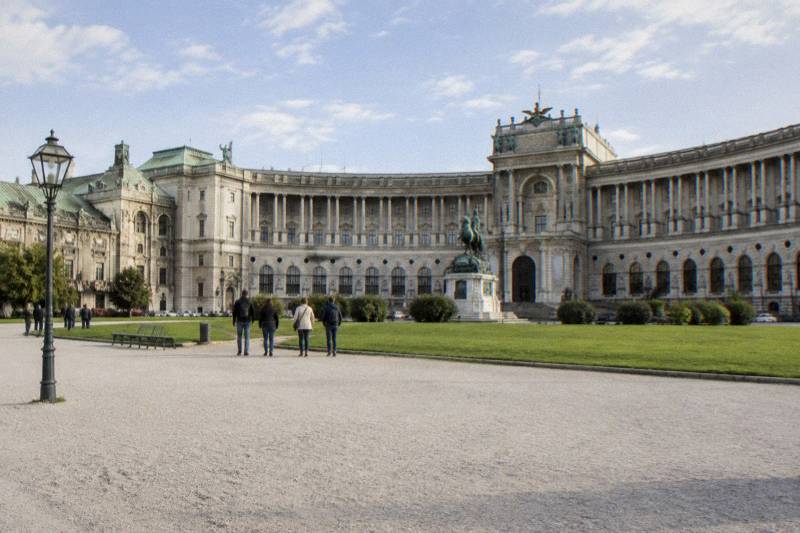
Is The Hundertwasserhaus Free To See?
Yes, the Hundertwasserhaus is free to see from the street, and that is the whole visit. Here is what is free, what is paid across the street, and how to plan the trip.
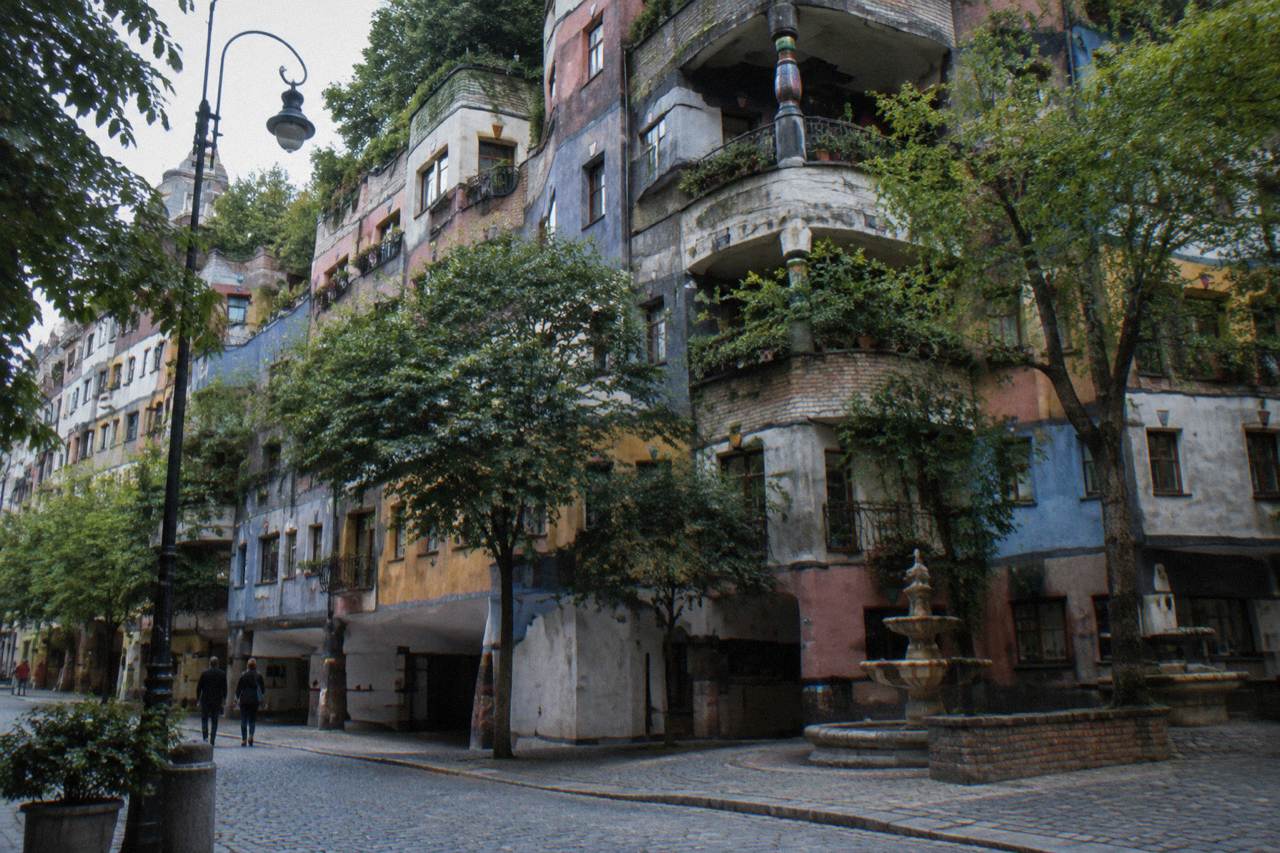
Seeing the Hundertwasserhaus costs nothing, and that is not a discount or a loophole. The visit is the view from the street, and the street is public. The Vienna Tourist Board says the building can only be viewed from outside, because people live in it, and that single fact settles the money question before it is even asked. What remains is working out what is free, what is paid, and how the pieces fit together.
Is The Hundertwasserhaus Free To See?
Yes, the Hundertwasserhaus is free to see from the street, and the street is the whole visit: the Vienna Tourist Board describes it as a residential building that can only be viewed from outside. No ticket exists, no interior visit exists, and no opening hours apply to a public pavement. The only paid part of a Hundertwasser trip is the museum nearby.
The Tourist Board's own entry for the building is unusually blunt about this. Where most landmark pages list prices, hours and combined tickets, the page for the Hundertwasserhaus states that the house can only be viewed from outside. It is a residential apartment building. People live behind that facade, their front door opens onto the same pavement you stand on, and no part of their home is sold as a visitor attraction.
That makes the Hundertwasserhaus a rare case in Vienna's sightseeing economy. The big names usually mix a free element with paid extras: the Schönbrunn park is free while the palace and the zoo sell tickets, the Belvedere gardens are free while the galleries charge, and entering Stephansdom is free while the towers and the catacombs each sell a separate EUR 8 ticket. The Hundertwasserhaus has no such ladder to climb. The free view is the only thing on offer at the building itself, and nothing at the apartment house is upsold. If you also want a guide, Part 1 Highlights, Redandwhite Tours is a free walk to pair with it.
This pattern, free ground with paid interiors, is the single most useful mental model for budgeting a Vienna trip, and the Hundertwasserhaus is its cleanest example. At Schönbrunn the park gates open at 6:30 am and the park can be entered free of charge during opening hours, but the palace, the Gloriette terrace, the Maze, the Privy Garden, the Palm House, the Desert House and the Tiergarten zoo are each separate tickets. At the Belvedere the French-style gardens are admission free while the Upper and Lower galleries, the Privy Garden and the Alpine Garden each charge. At the Hundertwasserhaus the pattern collapses to its simplest form: there is no paid interior at the landmark at all, only free ground, and the paid interiors sit across the street and down the road as their own attractions.
The paid part of a Hundertwasser trip sits elsewhere in the same small cluster. Directly across the street is the Hundertwasser Village, a shopping and café courtyard that is free to enter, and a short way from the apartment house stands Kunst Haus Wien, the Museum Hundertwasser, which charges admission. Both are covered in full below, because they are where every euro of a Hundertwasser visit is actually spent or saved.
One planning fact matters more than any of this: the free walking tours do not take you there. Twelve free walking tours run in Vienna, listed on GuruWalk and freetour.com, and none of them names the Hundertwasserhaus among its stops. The walks concentrate on the inner city, on the opera house, the Hofburg squares, Stephansdom and the Judenplatz memorial, while the apartment house stands outside their ground. Whatever walk you reserve, the Hundertwasserhaus remains a separate outing, reached on its own. If you also want a guide, Meet The Locals Walk is a free walk to pair with it.
The three most-reviewed English-language options on GuruWalk all start in the centre. Good Vienna Tours, Classic Highlights meets at Albertinaplatz and is rated 4.9 out of 5 across 5,854 GuruWalk reviews. The Meet the Locals Walk by Absolute Vienna Tours, rated 4.56 out of 5 across 2,189 GuruWalk reviews, also meets at Albertinaplatz. Top Sights, the multilingual guide from Prime Tours, rated 4.47 out of 5 across 1,309 GuruWalk reviews, runs in English, German, Spanish and Italian. Each is free, pay what you want, and each lasts about 2 hours.
Can You Go Inside?
No, you cannot go inside the Hundertwasserhaus in any form. It is a residential apartment building, so there is no museum, no ticket desk and no guided interior visit to book. The paid interior experience is Kunst Haus Wien, the Museum Hundertwasser, where adult admission is EUR 16.
The question is worth asking precisely because so many visitors assume an interior exists. The building looks like a public artwork, and Vienna conditions you to expect a ticket counter behind every famous facade. Here there is none. The residential status is not a temporary closure or a renovation: the Tourist Board describes viewing from outside as the permanent arrangement, and no interior product of any kind is attached to the apartment house.
The confusion usually comes from the museum. Kunst Haus Wien is the Museum Hundertwasser, and it is the place to go if you want to stand inside a Hundertwasser interior rather than look at an exterior. It is a fully ticketed museum: EUR 16 admission, EUR 13 reduced or for seniors 65 and over, EUR 7 for students up to 25 and for children and adolescents up to 18, and free only for children up to 10. Those youth prices deserve a flag. Several of Vienna's federal museums, the Kunsthistorisches Museum, the Naturhistorisches Museum, the Albertina, the MAK, the Belvedere galleries and mumok, each state on their own pages that visitors under 19 enter free. Kunst Haus Wien does not: adolescents up to 18 pay EUR 7. The Leopold Museum charges youths under 19 EUR 2.50, and the Dom Museum Wien charges children 6 to 18 EUR 3, so the under-19 free rule is genuinely museum by museum and never a blanket promise.
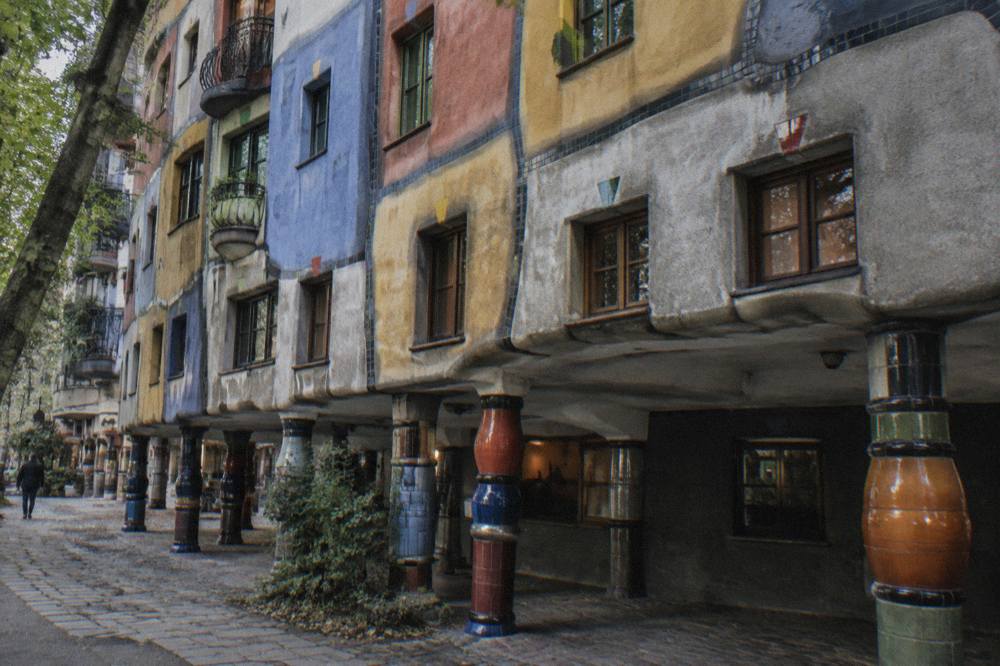
Who should buy the museum ticket and who should not is a simple split. If seeing a Hundertwasser interior matters, the museum is the only way to do it, and EUR 16 is the price of that. If the facade is what you came for, the facade is free, and the museum is optional. Families with children under 10 get the museum free for the youngest, EUR 7 each for adolescents, which adds up quickly, while the street view costs the family nothing at all.
Since the apartment house itself gives you ten minutes and no more, the natural move is to build the rest of the day around a free walking tour in the centre. The Good Vienna Tours classic walk meets at Albertinaplatz and runs about 2 hours in English and German, rated 4.9 out of 5 across 5,854 GuruWalk reviews. The walk's own stop list runs from the Vienna Operahouse through the Austrian National Library, the Schweizerhof of the Hofburg, Heldenplatz, the Sisi Museum, Michaelerplatz and the plague column to Stephansdom, which is the classic centre in one arc. If you also want a guide, Good Vienna Tours, Classic Highlights is a free walk to pair with it.
The money model on these walks is the same across the roster: you reserve a spot free of charge, you walk, and at the end you pay the guide what you think the walk was worth. No official figure exists for that amount, and none is needed here, because the choice is the walker's own. For a visitor who has just spent EUR 16 at a museum, or deliberately not spent it, a free walk with an optional payment at the end is the flexible half of the day.
What Is Across The Street?
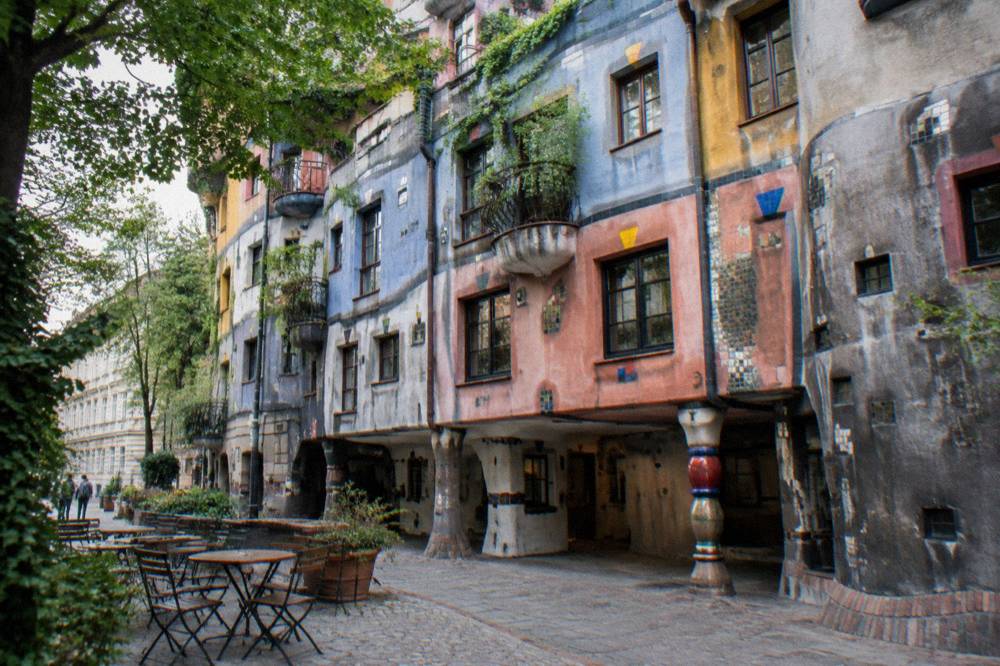
Across the street stands the Hundertwasser Village, a courtyard of shops and cafés whose operator states plainly "Eintritt frei", free entry: walking in costs nothing and everything you buy is paid. Together with the nearby Kunst Haus Wien museum it completes the cluster of three Hundertwasser sites, one free to look at, one free to enter and one ticketed.
The village is the part most visitors miss in their planning. The village's own page states free entry plainly: the shopping courtyard costs nothing to walk into, and the shops and cafés inside it charge only for what you buy. It is the closest thing to an "inside" at the Hundertwasserhaus, an interior space in the same visual world that anyone can enter without a ticket.
The museum is the third site and the only ticketed one. The Kunst Haus Wien visit page carries the prices quoted above, EUR 16 for adults, with the reduced tiers below that, and it is the only place in the cluster where a queue for a counter is even possible.
The three sites line up like this:
| Site | What it is | Entry rule | Cost |
|---|---|---|---|
| Hundertwasserhaus | Residential apartment building | Viewed from the street only | Free |
| Hundertwasser Village | Shopping and café courtyard | Free entry, stated by the operator | Free, purchases paid |
| Kunst Haus Wien | Museum Hundertwasser | Ticketed museum | EUR 16 adults, EUR 13 reduced or seniors 65+, EUR 7 students to 25 and youths to 18, free under 10 |
Read the table as a budget decision rather than a sightseeing list. The free row and the free-entry row cost a visitor nothing beyond coffee or a souvenir, and together they fill a comfortable half hour. The ticketed row is the only discretionary spend in the entire cluster, and it is a clean yes or no: either a Hundertwasser interior is worth EUR 16 to you, or the facade and the courtyard already deliver the visit you wanted.
What Else Is Free Nearby?
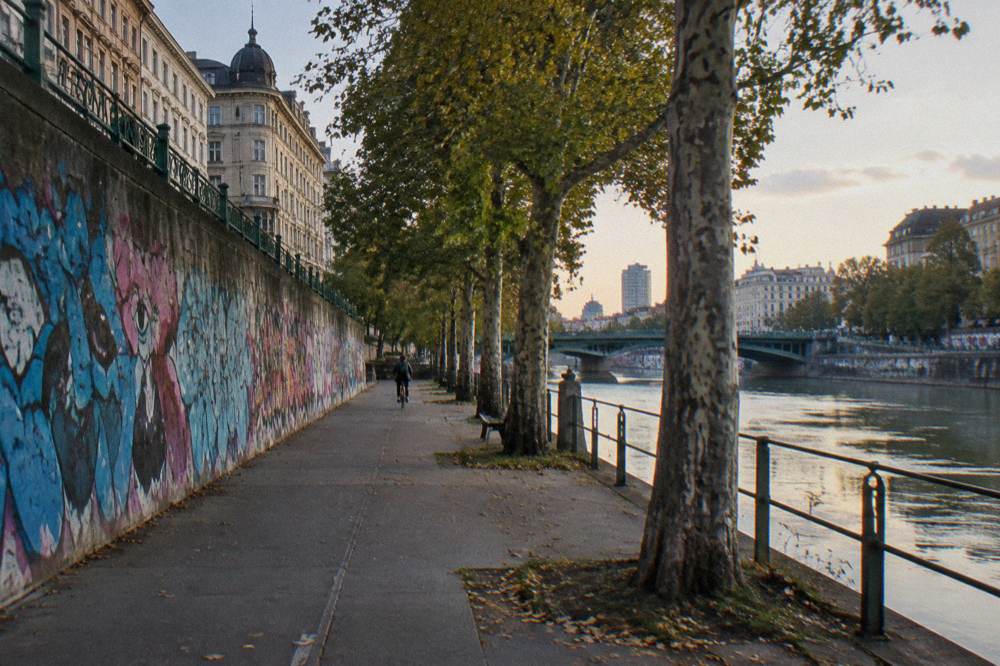
The free pairing most visitors add to the same trip is the Donaukanal, whose walkway and street art are public, with legal painting walls marked by the Viennese dove of the city-backed Wienerwand project. Beyond it, Vienna stacks free options high: the Wien Museum permanent exhibition is free every day, the MuseumsQuartier courtyards are free to walk, and the Belvedere gardens charge nothing while the galleries inside them do.
The Donaukanal is the natural companion because it answers a different mood. The Hundertwasserhaus is architecture you look at; the canal is art you walk along. The walkway and the street art on its walls are public, and the city-backed Wienerwand project marks its legal painting walls with a Viennese dove, so the murals you pass are sanctioned work rather than anonymous graffiti. Nothing along the walkway charges admission, and the route belongs to the same part of the city as the apartment house, which makes it the obvious free extension of the trip.
The list grows fast once you widen the lens. The Stadtpark is a public park with no admission charge, and the gilded Johann Strauss Monument inside it sits on the Tourist Board's free-admission list. The MuseumsQuartier courtyards are freely accessible, though each museum inside them, the Leopold Museum, mumok and Kunsthalle Wien, sells its own tickets, a split examined in detail in whether the MuseumsQuartier is free. The Belvedere gardens are admission free while the Upper and Lower Belvedere galleries are paid, the same free-ground, paid-inside pattern as Schönbrunn.
Museums reward the most planning, and Vienna's free museum days are the single biggest saving in the city. The Wien Museum's permanent exhibition at Karlsplatz, "Vienna. My History", is free of charge for everyone every day, no ticket needed, and the first Sunday of every month frees every Wien Museum site, special exhibitions included. The Secession is free on the first Wednesday of each month, and Kunsthalle Wien is free on the last Sunday of each month, with pay-what-you-can entry on Thursday evenings from 17:00 to 20:00. The full museum by museum breakdown, including which under-19 rules are real and which are traps, is in the free museums in Vienna guide.
The first Sunday scheme deserves its own sentence, because its reach is wider than most visitors expect. It covers the Wien Museum Karlsplatz, the Hermesvilla in the Lainzer Tiergarten, the Römermuseum at Hoher Markt, the Pratermuseum, the Uhrenmuseum, the Beethoven Museum, the Haydnhaus, the Otto Wagner Kirche am Steinhof, the Beethoven Pasqualatihaus, the Neidhart Festsaal, the Schubert Geburtshaus, the Johann Strauß Wohnung, the Otto Wagner Hofpavillon Hietzing, the Otto Wagner Pavillon Karlsplatz and the Virgilkapelle under Stephansplatz. It applies only to those municipal sites, never to the federal museums or the church-run museums, which is exactly the boundary that trips up visitors who assume one free Sunday frees the whole city. A free walk worth pairing with this: Jewish Traces, Hitler's Vienna.
Everything else on Free Things To Do In Vienna is built on the same split this article keeps finding: what is genuinely free, and what carries a condition or a ticket. The nearby free sights line up like this:
| Free thing | The rule that applies |
|---|---|
| Donaukanal walkway and street art | Public, free, legal walls marked with the Viennese dove |
| Stadtpark and the Johann Strauss Monument | Public park, no charge, monument on the free-admission list |
| MuseumsQuartier courtyards | Free to walk, museums inside separately ticketed |
| Wien Museum permanent exhibition | Free for everyone, every day, no ticket |
| Belvedere gardens | Free, the galleries and the Privy Garden are paid |
For the walk home through the centre, the 2 Hours 15 Minutes walk with guide Mirko is the English-only option, rated 4.94 out of 5 across 3,250 GuruWalk reviews. It meets at Minoritenplatz and runs 2 hours and 15 minutes, the longest of the standard centre walks, with a stop list that runs from Minoritenplatz through the Volksgarten, Heldenplatz and the Burggarten to Albertinaplatz and Stephansplatz U. Like every walk in this article's roster, it is free, pay what you want. A free walk worth pairing with this: Top Sights, Multilingual Guide.
When Is It Least Crowded?
No official source publishes crowd figures or quiet times for the Hundertwasserhaus. The exterior is a public street with no tickets, no queue to join and no opening hours, because there is nothing to enter. The building is residential, so the visit is a look from the pavement.
That answer is deliberately flat, and it is the honest one. Plenty of pages will tell you a calm hour or a quiet season for famous facades, and for a ticketed attraction with a counter and a turnstile those claims at least rest on measured data. The Hundertwasserhaus has no counter, no turnstile and no published visitor count, so any specific quiet-time promise would be invented. What can be said is structural: because the visit is a street view, it cannot be sold out, closed or missed, and the cost of arriving at a busy moment is a few extra people on the same pavement, not a wasted ticket.
The structural facts also set the rhythm of a Hundertwasser day. The apartment house takes minutes, the village courtyard takes as long as your coffee, and the museum takes as long as museums take. That leaves most of the day open, and the free walking tours are the natural filler, all twelve of them free, pay what you want, spread across the centre at different meeting points.
Three of them pair well with an afternoon at the Hundertwasserhaus. Part 1 Highlights by redandwhite.tours meets at the Wiener Staatsoper, runs 2 hours in English and German, and is rated 4.73 out of 5 across 6,036 GuruWalk reviews, the largest English review pool on the roster, with stops at the Burggarten, Heldenplatz, Josefsplatz and Stephansdom. Jewish Traces, Hitler's Vienna, also by redandwhite.tours, meets at Hoher Markt in English and is rated 4.88 out of 5 across 2,513 GuruWalk reviews, walking the Judengasse, Seitenstettengasse, Morzinplatz and the Judenplatz Holocaust Memorial before finishing at Heldenplatz. The Evening Highlights Walk on freetour.com, run by Prime Tours and rated 8.5 out of 10 across 1,985 freetour.com reviews, meets at Helmut-Zilk-Platz with a 7 PM English departure, the only listed start time among the twelve, and covers the Hofburg, the Spanish Riding School, the State Opera Alley Lodge and St. Stephen's Cathedral after dark. If you also want a guide, Evening Highlights Walk is a free walk to pair with it.
The three walks answer three different briefs, which is why they sit together here. Part 1 Highlights is the broad first-time sweep of the imperial centre, in two languages, with the deepest review pool behind it. Jewish Traces is the history walk, in English only, covering ground the classic walks do not touch, from the former Jewish quarter streets around the Hoher Markt to the memorial at Judenplatz. The Evening Highlights Walk is the only evening option on the roster and the only one listed on freetour.com rather than GuruWalk, and its 7 PM English departure makes it the walk that fits after a day spent east of the centre at the Hundertwasserhaus, the village and the canal. Each reserves free and each is paid at the walker's own judgment.
Common Questions About The Hundertwasserhaus
Is The Hundertwasserhaus Free To See?
Yes. The view from the street is free and always available, and the Vienna Tourist Board describes the building as viewable from outside only. There is no ticket, no counter and no charge of any kind at the apartment house itself.
Can You Go Inside?
No. The Hundertwasserhaus is a residential apartment building with no interior visit of any kind. The paid interior option in the same cluster is Kunst Haus Wien, the Museum Hundertwasser, at EUR 16 for adults.
What Is Across The Street?
The Hundertwasser Village, a shopping and café courtyard with free entry stated by its operator. Walking in costs nothing, and only purchases inside are paid. The village is the free interior space of the Hundertwasser cluster.
What Else Is Free Nearby?
The Donaukanal walkway and its public street art, the Stadtpark with the Johann Strauss Monument, the MuseumsQuartier courtyards, the Wien Museum permanent exhibition and the Belvedere gardens are all free, with the paid parts inside each site sold separately.
When Is It Least Crowded?
No official crowd data exists for the exterior, and no quiet time can be honestly promised. Since the visit is a street view with no tickets or opening hours, timing carries no cost: the view cannot be missed or sold out.