Is Vienna Worth Visiting?
An honest verdict on Vienna: what the city gives you for free, who it will disappoint, how many days it needs, and the best month to go.
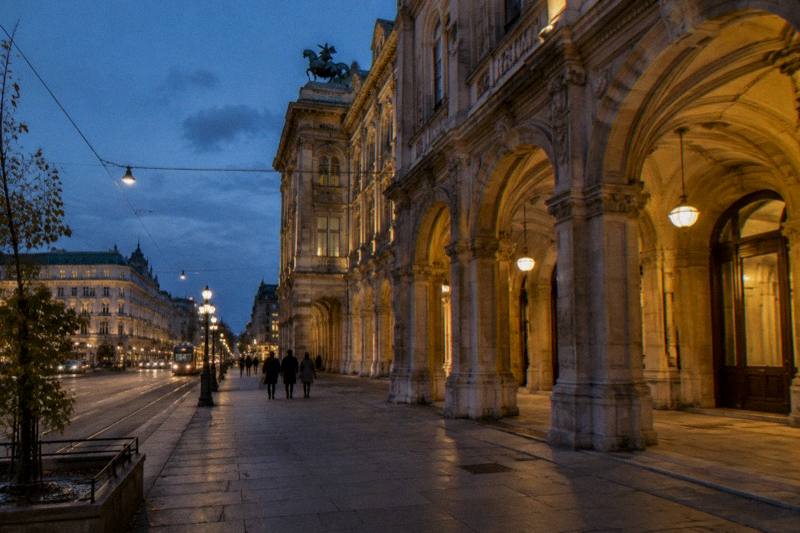
Vienna gets called the world's most liveable city, and it also gets called expensive, formal and a little stiff. Both descriptions contain some truth, and neither answers the question a trip planner actually has: is it worth your days and your money. The short version is yes, for reasons that are unusually easy to prove, because the city hands over a remarkable amount of its best material at no charge.
The core of the case is simple. The grounds of an imperial palace, the gardens of the Belvedere, the great open squares of the Hofburg and the interior of St. Stephen's Cathedral all cost nothing to see, and twelve free, pay-what-you-want walking tours run in the city, listed on GuruWalk and freetour.com. The parts that charge, the palace interiors and the big galleries, are real costs, but they sit beside a free layer deep enough to fill three or four days on their own. This article works through the verdict question by question: the budget reality, the free list, who the city will disappoint, how many days it needs and when to come.
Is Vienna Worth Visiting On A Budget?
Yes, and more concretely than most capitals: Vienna's free layer is not a set of leftovers but the parks, squares and church interiors other cities charge for, and twelve pay-what-you-want walking tours cover the centre on GuruWalk and freetour.com. A careful visitor can spend three days here with almost no admission costs at all.
Budget travel in Vienna works differently from budget travel in Paris or London. In those cities the free list is mostly parks and viewpoints, while the headline sights all charge. Vienna inverts that. The Schönbrunn palace park, the gardens of the Belvedere, the Heldenplatz and Josefsplatz at the Hofburg and the walk into St. Stephen's Cathedral are all free, and these are not second-tier sights, they are the sights the city is famous for. The paid layer exists, and it is not cheap: the big galleries and the palace interiors charge real money, as the cost breakdown for Vienna shows in detail. But the paid layer is optional in a way it rarely is elsewhere. A free walk worth pairing with this: Part 1 Highlights, Redandwhite Tours.
The walking tours make the difference between a cheap trip and a genuinely free one. GuruWalk lists pay-what-you-want walks across the city, and the review pools are large enough to judge by: the Part 1 Highlights walk from redandwhite.tours is rated 4.73 out of 5 across 6,036 English-language GuruWalk reviews, Good Vienna Tours' Classic Highlights is rated 4.9 out of 5 across 5,854 GuruWalk reviews, and Guide Mirko's two-hour-fifteen-minute centre walk is rated 4.94 out of 5 across 3,250 GuruWalk reviews. You reserve a free spot, you walk, and you pay the guide what you think the walk was worth at the end. That mechanic turns the most expensive part of city sightseeing, the guided introduction, into a cost you control completely.
A budget verdict also has to be honest about where the money does go. Food and drink in the centre are priced like any wealthy European capital, and the ticketed museums are not token fees. The budget guide to Vienna covers the tactics in depth. The point for the verdict question is that the spend is a choice here rather than a floor: a traveller who wants the imperial interiors and the Klimt rooms will pay for them, while a traveller who wants the city itself, its squares, gardens, markets and streets, can have nearly all of it for the price of a transit ticket.
The three walks above are the classic highlights walk, the highest-rated centre walk and the history walk; each is free to reserve, with the guide paid what you think it was worth at the end. Between them and the free parks, a budget of nearly zero produces a genuinely full itinerary.
What Do You Get For Free?
You get the Schönbrunn palace park, the Belvedere gardens, the Hofburg's open squares and courtyards, the walk into St. Stephen's Cathedral, the Wien Museum's permanent exhibition and the street level of the whole imperial centre. The catch is that each free thing sits beside a paid thing, and the boundary is drawn attraction by attraction.
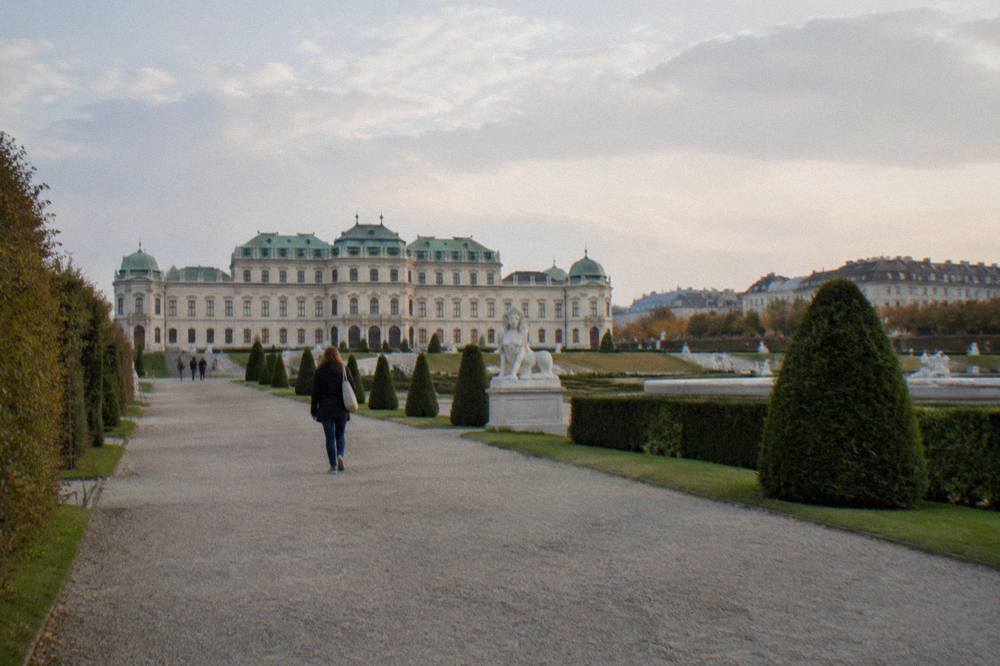
Start with the palace grounds, because they are the clearest example of how Vienna's free layer works. The Schönbrunn park gates open at 6:30 am and the park can be entered free of charge during opening hours, per the official Schönbrunn visitor page. The palace itself, the Gloriette viewing terrace, the Maze, the Privy Garden, the Palm House, the Desert House and the Tiergarten zoo are each separate ticketed attractions inside that free park. The free part is the gardens and grounds; everything you climb or enter charges. The same pattern repeats at the Belvedere, where the French-style palace gardens are admission free per the Belvedere's own gardens page, while the Upper and Lower Belvedere galleries are ticketed for adults, with a day-current price rather than a fixed one.
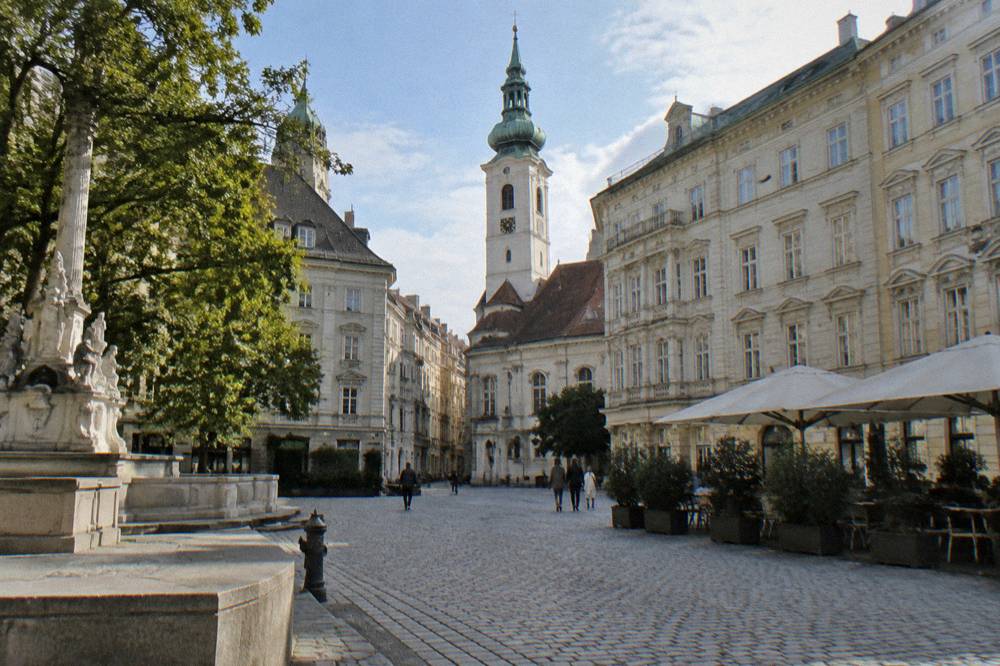
The Hofburg works the same way but with more free surface. Heldenplatz, Josefsplatz, the In der Burg courtyard and Michaelerplatz are public spaces you can walk through at any time, and the Vienna Tourist Board describes Heldenplatz as a meadow where many Viennese picnic. The paid parts, the Sisi Museum, the Imperial Treasury and the Spanish Riding School, are separate records behind separate doors. St. Stephen's Cathedral needs careful wording: entering the church is free, but the cathedral also sells an EUR 8 self-guided sightseeing visit of the interior with an audio guide, and the towers and the catacombs each have their own EUR 8 tickets. The cathedral does not publish which interior areas the free entry covers, so the honest statement is that you may walk in without paying, and some parts inside can only be seen for a fee. A free walk worth pairing with this: Good Vienna Tours, Classic Highlights.
| Sight | What is free | What is paid |
|---|---|---|
| Schönbrunn | The palace park, from 6:30 am during opening hours | Palace, Gloriette terrace, Maze, Privy Garden, Palm House, Desert House, zoo |
| Belvedere | The palace gardens, and the Belvedere 21 sculpture garden | Upper and Lower Belvedere galleries, Privy Garden, Alpine Garden |
| Hofburg | Heldenplatz, Josefsplatz, In der Burg courtyard, Michaelerplatz | Sisi Museum, Imperial Treasury, Spanish Riding School |
| Stephansdom | Entering the church | EUR 8 sightseeing visit, both towers, catacombs |
| Wien Museum | Permanent exhibition at Karlsplatz, and musa | Special exhibitions, except under-19s and first Sundays |
The museums add a genuinely free anchor rather than a conditional one. The Wien Museum's permanent exhibition at Karlsplatz, "Vienna. My History", is free of charge for everyone, every day, and the musa contemporary art venue is free as well. Beyond that, the Wien Museum opens all of its sites free on the first Sunday of every month, a scheme that covers Wien Museum locations only, while the Secession runs its own free first Wednesday and Kunsthalle Wien its own free last Sunday. The first-Sunday free museum guide maps which sites fall under which scheme, because the schemes must never be merged.
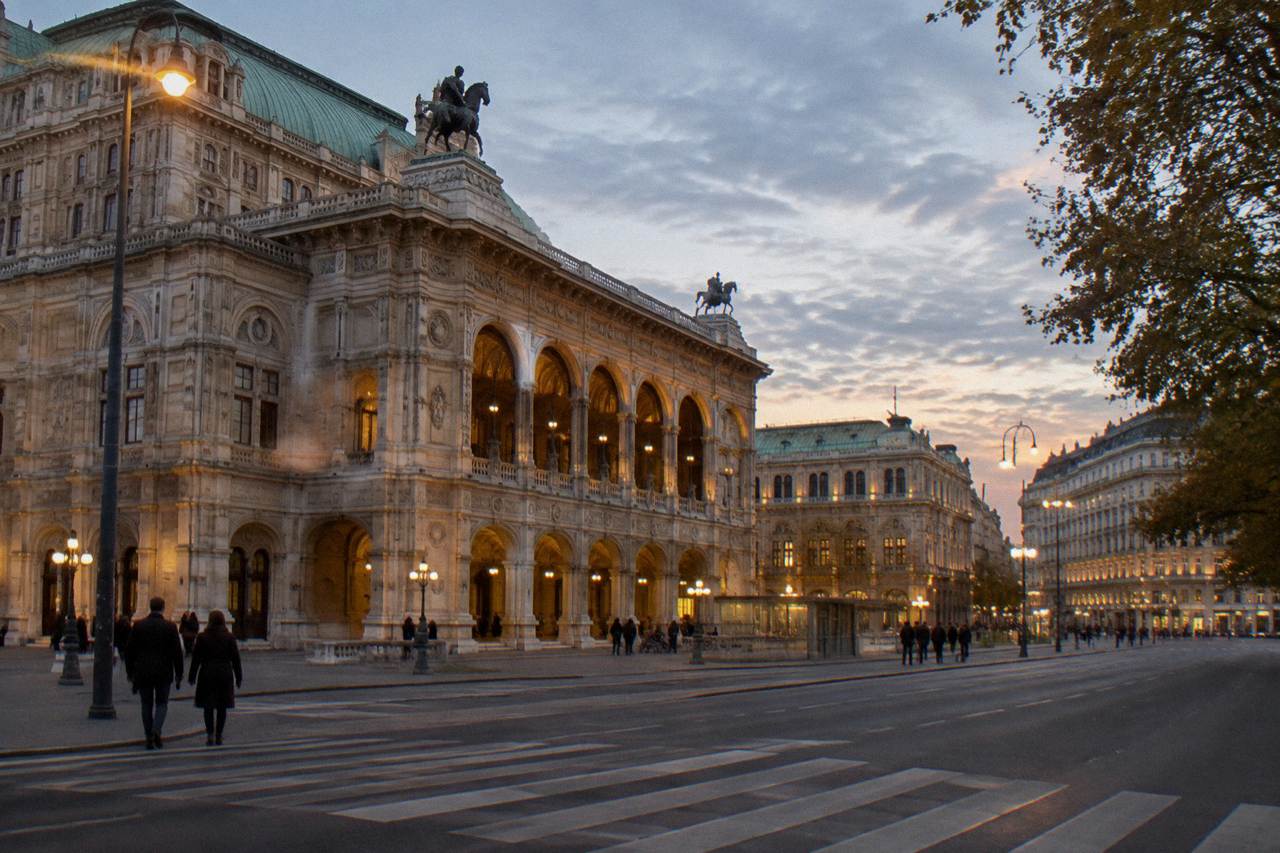
The free layer also extends into the evening, which surprises people. The Evening Highlights Walk from Prime Tours, listed on freetour.com and rated 8.5 out of 10 across 1,985 freetour.com reviews, starts at Helmut-Zilk-Platz and covers the Hofburg, the Spanish Riding School, the State Opera Alley Lodge and St. Stephen's Cathedral, with the English departure at 7 pm. It is the one walk in the roster with a published start time, and it costs nothing to reserve. Pair this with a free walk: Meet The Locals Walk.
Add the markets, the Naschmarkt with its Saturday flea market, the Brunnenmarkt, the Donaukanal street art and the Zentralfriedhof, and the free list is long enough that the real planning question becomes what to pay for, not what to do. The guide to free Vienna at night extends the same logic after dark, and Free Things To Do In Vienna keeps the whole verified list in one place.
Who Will Like Vienna Least?
Travellers chasing warmth, late-night street life, cheap food or adrenaline will like Vienna least. The city is orderly, dinner ends early, the funfair rides in the Prater all charge, and the famous interiors are ticketed. For that visitor type the honest answer is that Vienna is worth two days, not five.
The honest verdict has to name the people who leave disappointed. Vienna is a formal city. Its pleasures are architectural, musical and culinary rather than loud: you stand in a baroque square, you sit in a concert hall, you eat at a market. If your idea of a great city trip is beach weather, all-night districts or a party scene, Vienna will feel sedate. The Wurstelprater funfair is free to walk into, but every ride is paid separately, and the Riesenrad sits in the free fairground behind its own ticket, so the Prater is not a budget thrill either. The full answer on the Prater separates what costs nothing from what does.
Food matters to the verdict too. Vienna's café culture is famous, and the markets are free to browse, but eating in the inner districts is priced for a wealthy capital. A traveller counting every euro will find better value in the outer districts, at the Brunnenmarkt for instance, but the cheap-eats scene is not the city's strength. Anyone whose main travel goal is inexpensive food should weight the city accordingly.
The city also demands a certain pace. Its rewards are cumulative: the free parks and squares reward slow walking, and the museum schemes reward planning. A visitor who arrives for a single frantic day of ticking boxes will pay for most of the boxes and enjoy few of them. That is the real reason the "worth it" question has a conditional edge, and it is why the free walking tours matter so much to the verdict: they slow the city down for you, at a price you set yourself. If the formal, museum-heavy centre sounds like a chore, the Meet the Locals Walk from Absolute Vienna Tours, rated 4.56 out of 5 across 2,189 English-language GuruWalk reviews, takes a different angle on the same streets, starting at Albertinaplatz. Pair this with a free walk: 2 Hours 15 Minutes, Guide Mirko.
If the paid interiors put you off, there is a free alternative. The evening circuit through the Hofburg quarter costs nothing to reserve, and the tip is entirely your call at the end. If you also want a guide, Evening Highlights Walk is a free walk to pair with it.
How Many Days Is Enough?
Three days is the honest minimum for a satisfying first visit, and two is workable if you confine yourself to the centre. Day one covers the old town on foot, day two takes Schönbrunn's free park plus a museum, and day three goes to a market, the Prater or the Danube. Fewer than two days and Vienna's cumulative pleasures do not have time to accumulate.
The one-day version of Vienna exists and works, and the Vienna in a day guide builds it around the free core: the Stephansdom, the Graben, the Hofburg squares, the MuseumsQuartier courtyards and a walk along the Ring. But one day spends all its time in the Innere Stadt and misses everything the free layer offers outside it, the Schönbrunn park, the Zentralfriedhof, the Donaukanal walls, the Prater's green Hauptallee. The three-day budget itinerary is the shape most first visits should take, because day three is where Vienna stops feeling like a museum district and starts feeling like a city people live in. A free walk worth pairing with this: Top Sights, Multilingual Guide.
The walking tours fit the day count neatly. A classic highlights walk, two hours starting at the Wiener Staatsoper or Albertinaplatz, gives you the map of the centre on day one. A themed walk fills the evening of day one or two: the Jewish Traces walk from redandwhite.tours, rated 4.88 out of 5 across 2,513 English-language GuruWalk reviews, starts at Hoher Markt and covers Judengasse, Seitenstettengasse, Morzinplatz and the Judenplatz Holocaust Memorial, and it is the strongest history option in the roster. Day two or three is where the Meet the Locals Walk earns its slot, because after two days of imperial facades most travellers want the lived-in city, and that walk, rated 4.56 out of 5 across 2,189 English-language GuruWalk reviews, is built around exactly that. A free walk worth pairing with this: Jewish Traces, Hitler's Vienna.
Four or five days is the ceiling for a first visit unless music or museums are your reason for coming. Beyond the free core and the two palace parks, the extra days go to ticketed interiors, day trips into the Vienna Woods on the signposted city hiking trails, or the Danube Island. Those are good days, but they are optional days, which is itself part of the verdict: Vienna is a city you can do justice to in a long weekend, and that is a point in its favour for anyone with limited holiday.
What Is The Best Month To Visit?
For free sightseeing, the warm half of the year from May to September is best, because the parks, markets and open-air events are all in full swing. December brings the Christmas markets. Winter cuts the park hours and switches off the fountains, so the free layer shrinks but does not disappear.
The seasonal logic of Vienna is unusually legible. The Schönbrunn park's closing time falls to 19:00 in October and 17:30 from November, and the park fountains do not operate from mid-October to mid-April, so the free park experience is simply better in the warm months. The green Prater, the Donauinsel, the free bathing spots on the Alte Donau and the city's 14 signposted hiking trails in the Vienna Woods are all warm-season pleasures. June carries two of the biggest free events in the calendar: the Vienna Philharmonic's Summer Night Concert at Schönbrunn, free admission with no tickets needed, next held on 11 June 2027, and the Donauinselfest, free entry, next running 25 to 27 June 2027.
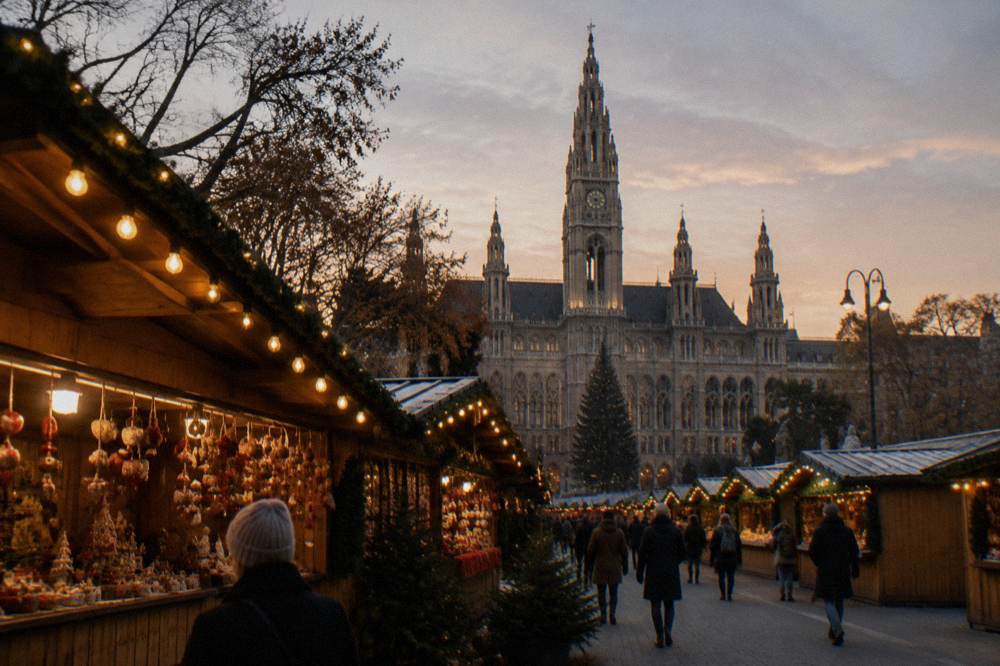
December is the counter-argument, and a strong one. The Christmas market season is one of the city's genuine peak experiences, and the entry rules differ market by market. The Schönbrunn Christmas Market runs 6 November 2026 to 6 January 2027 and states free entrance on the Schönbrunn event page. The Rathausplatz Christkindlmarkt runs 13 November to 26 December 2026, daily 10:00 to 22:00. The Wiener Eistraum ice rink beside it is a paid ticket, with 2026/27 prices not yet published. The New Year's Eve Trail on 31 December, from 2 pm to 2 am across stages including Stephansplatz, Freyung and Graben, is free admission per the City of Vienna. The Christmas markets guide carries the verified entry rules for each market in one place. A free walk worth pairing with this: Historical Spots Walk, Guide Jan.
Summer has one honest drawback: the Film Festival on Rathausplatz, free admission with films from dusk, ran 4 July to 6 September 2026 and is over, and 2027 dates have not been announced. So a summer visitor should not plan around it until the new dates appear. What summer does guarantee is the full free layer at its widest: every park, every market, the outdoor swimming and the long evening light that makes the evening walking tour worth reserving.
Shoulder months deserve a word. October and April are transitional: park hours are already cut in October, and the Setagaya Park Japanese garden closes from 1 December to 28 February and in wintry conditions, a reminder that the garden layer of the free list is seasonal. The Wien Museum's first-Sunday scheme, the free permanent exhibition and the indoor markets carry a winter visit, and the free winter guide builds a full cold-weather itinerary from them. The verdict on timing is therefore simple: come in the warm half of the year for the maximum free Vienna, or come in December for the markets, and avoid promising yourself outdoor Vienna in deep winter.
The three walks below close the loop: the classic highlights introduction, the highest-rated centre walk and the history walk, each free to reserve on GuruWalk with the tip paid at the end.
Common Questions About Vienna
Is Vienna Worth Visiting?
Yes. The free layer alone, the Schönbrunn park, the Belvedere gardens, the Hofburg squares, the cathedral entry and twelve pay-what-you-want walking tours, justifies a long weekend, and the paid layer of galleries and palace interiors is optional rather than compulsory.
Is Vienna Worth Visiting On A Budget?
Yes, more than most capitals. The headline sights that charge elsewhere are free here in their outdoor form, and the walking tours on GuruWalk and freetour.com cost only what you choose to tip the guide at the end.
Is Vienna Expensive Compared To Other European Capitals?
Food and ticketed museums are priced like a wealthy capital, and the palace interiors charge real money. The difference is that the free layer is deep enough that the spend is a choice, not a floor.
What Is The Best Month To Visit Vienna?
May to September for the parks, markets and free open-air events, or December for the Christmas markets. Winter shortens the park hours and switches off the Schönbrunn fountains from mid-October to mid-April.
How Many Days Do You Need In Vienna?
Three days for a satisfying first visit, two if you confine yourself to the centre. One day covers the old town but misses the palace parks and the outer free layer entirely.
Are The Free Walking Tours In Vienna Really Free?
You reserve a spot at no charge and pay the guide what you think the walk was worth at the end. The tip amount is the walker's choice, and no official figure exists.